Why foreign developers are cancelling Kumamoto property contracts (and what we learned)
There's a problem brewing in Kumamoto's property market that most investors won't hear about until it's too late.
Over the past year, foreign developers have been racing to buy land near the TSMC semiconductor plant. They put down 10% deposits on 10, 20 parcels at a time. Then, weeks later, they cancel. Not one or two deals. Entire portfolios.
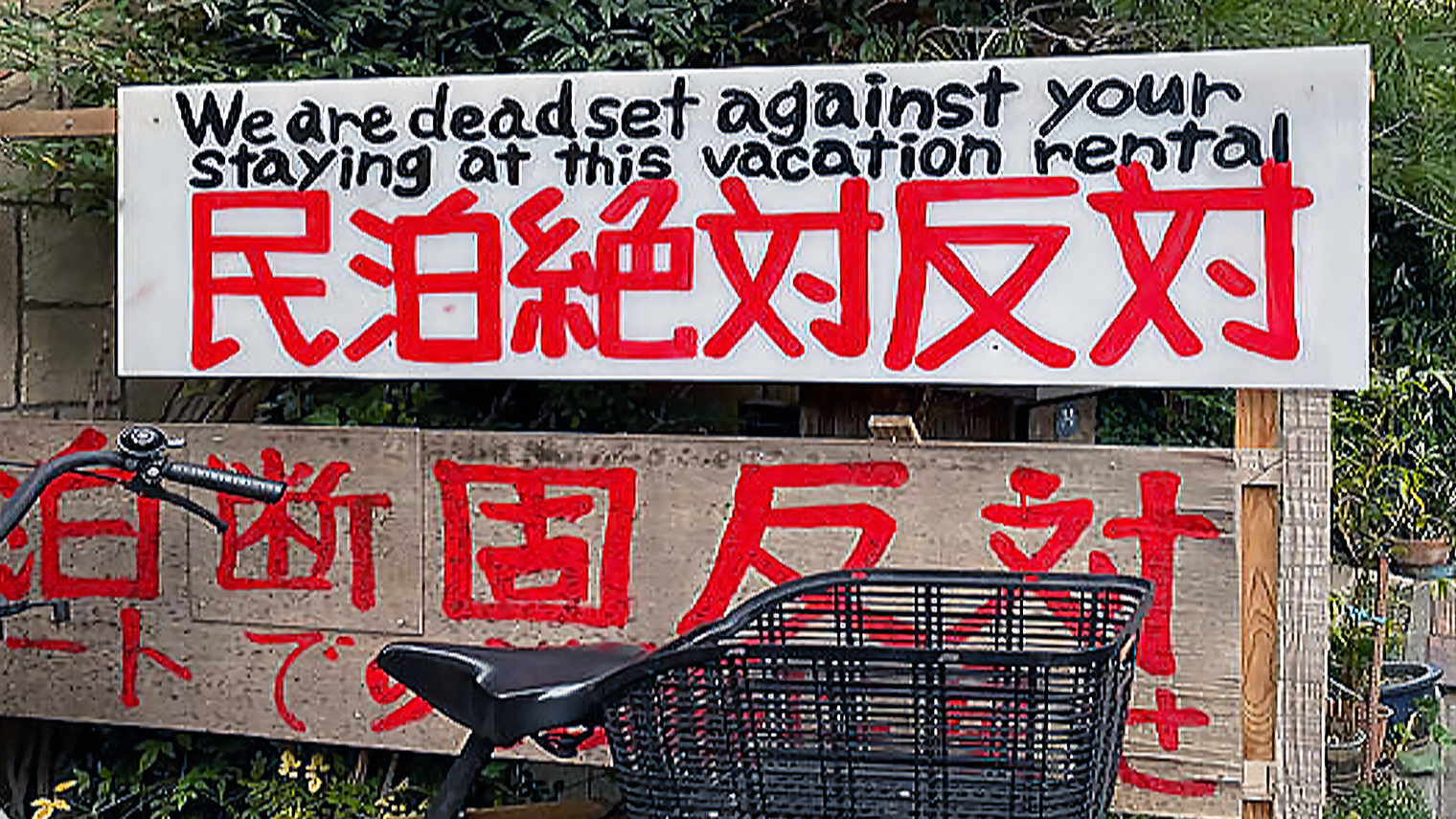
Local construction companies are furious. They've started rejecting foreign investors outright, assuming the contracts won't be honoured. The reputation damage is spreading fast.
We've spent the last 18 months working in Kumamoto through our Chateau Life operations. Here's what we've learned about why investors are failing, and what actually works.
Watch our CEO Henry's take on why Kumamoto matters
The TSMC effect created opportunity and chaos
TSMC's Kumamoto facility isn't just a factory. It's a collaboration with Toyota and Sony and their supply chains that's reshaping the region's demographics. Sony is building a second plant. Taiwanese engineers are relocating. Japanese workers from across the country are moving to Kumamoto.
This created three distinct opportunity zones:
Near Haramizu station: The closest stop to the TSMC plant, 3-5 minutes by car to either TSMC or Sony. Engineers relocating from Taiwan want spacious single-family homes within walking distance of the station for airport access or the bullet train to Tokyo.
Near Kumamoto central station: Senior managers and Japanese workers need easy access to shinkansen routes. These buyers prioritise proximity to transport over plant access.
New infrastructure zones: Areas benefiting from urbanisation plans, new roads, and park development around the TSMC expansion.
Land prices jumped. Foreign capital flooded in. Then the cancellations started.
Why contracts are being cancelled
The investors who cancel share three problems.
First, they don't understand Japanese zoning. Buying land doesn't mean you can build what you want. Zoning restrictions, building codes, and local regulations determine what's possible. Foreign developers discover these constraints after signing contracts, not before.
Second, they can't estimate costs accurately. Without relationships with local construction companies, they guess at development expenses. Post-deposit calculations reveal the projects won't be profitable. They cancel rather than lose more money.
Third, they underestimate the relationship requirements. Japan's property network is a closed circle. Construction companies, banks, and real estate agencies have worked together for decades. They know who owns which parcels, who can secure financing, who delivers on commitments. Breaking trust with one partner damages relationships across the entire network.
A cancelled contract doesn't just cost a deposit. The relationship is lost and can close doors permanently.
What we're doing differently in Haramizu
We already working with construction companies in Kumamoto, and shortlist who are best suited to become our long term partners. We don't dictate terms. We leverage their construction experience to avoid design errors, unnecessary costs and poor relationships.
We collaborate with local real estate agencies for market intelligence. They tell us why certain layouts don't sell, what prospects actually want, where demand is shifting. This feedback shapes our designs before we commit capital.
We focus on the 10-20 year picture, not just the next disposal. Kumamoto's transformation will take a decade. Short-term thinking traps you in 12-month cycles and misses the real growth opportunity.
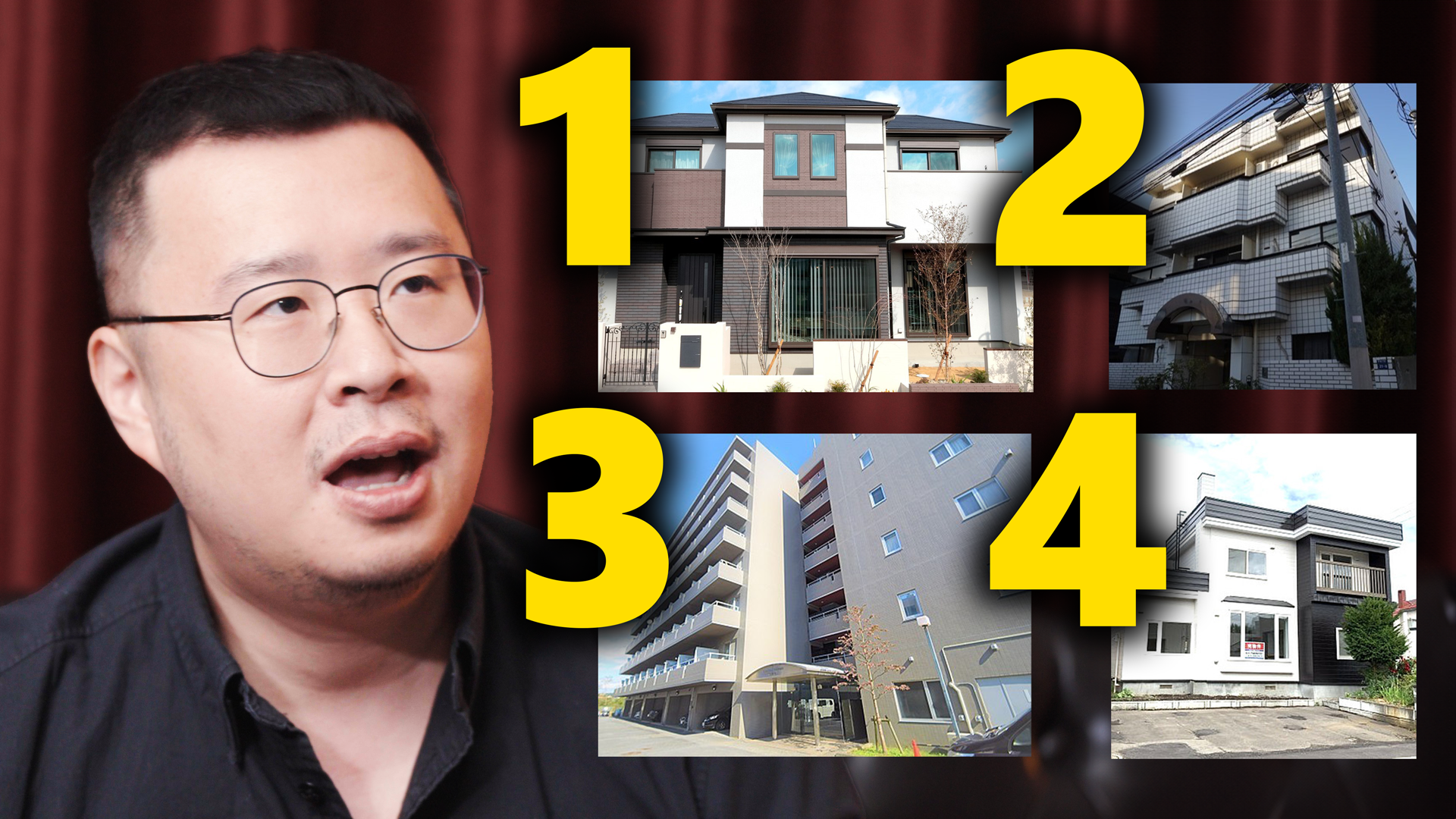
Our current project near Haramizu station: We're building single-family homes (ikkodate in Japanese) with layouts adapted with Taiwanese tenants in mind, embracing their expectations and maintaining the balance between the tenants desires and the longer term investment opportunity value.
Traditional Japanese homes have one large bathroom. We're building two: one in the master bedroom, one secondary for guests. This matches how Taiwanese families actually live.
We're using a 2+1 design: two bedrooms plus a multipurpose room for home office, storage, or guest accommodation. More flexible than rigid three-bedroom layouts.
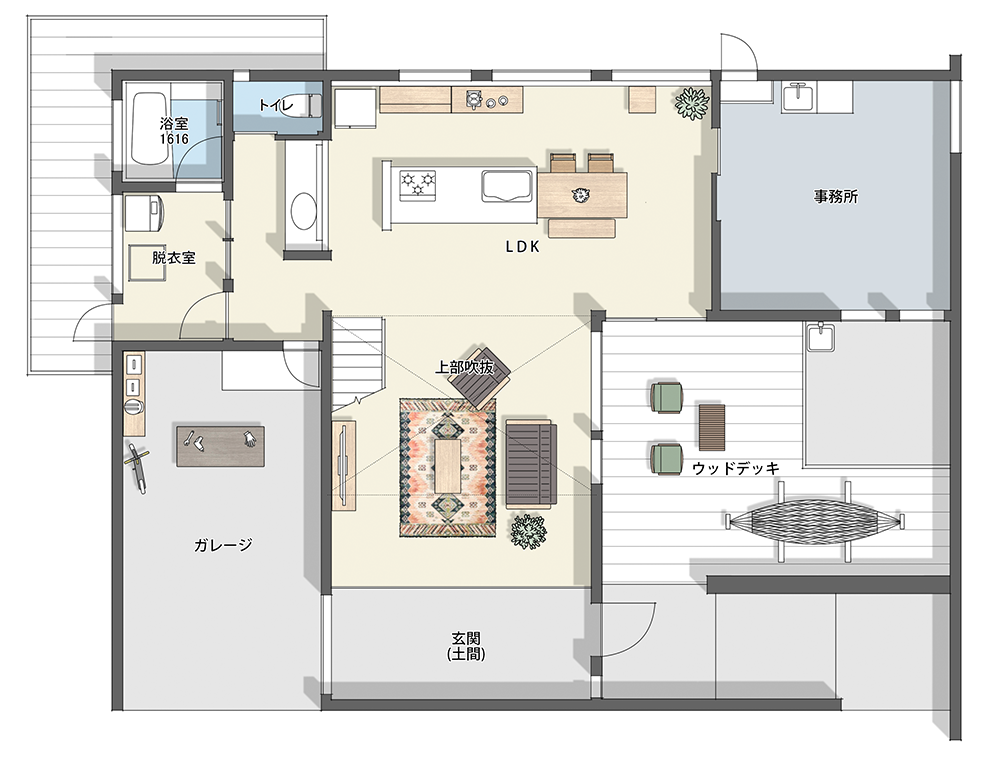
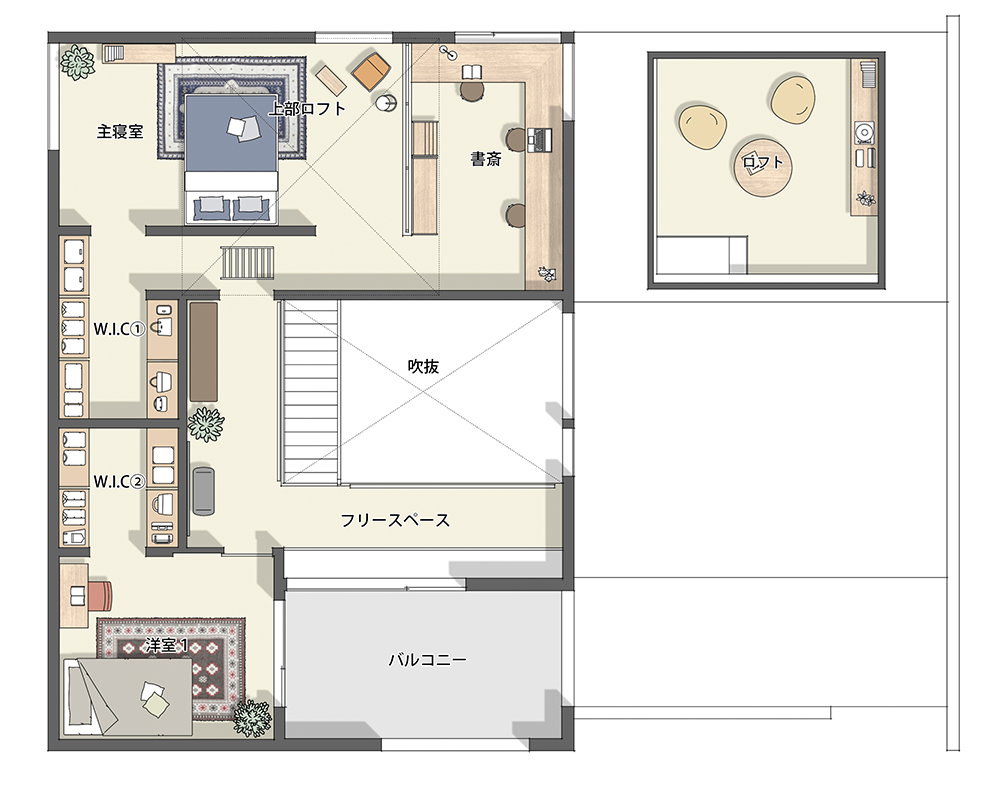
We source construction materials from our partner companies' existing inventories, then apply our design language within those constraints. This controls interior costs while maintaining aesthetic quality. Fighting for custom materials adds 20-30% to budgets with minimal return.
The Haramizu location delivers 5-minute walk to the station, park access, new road infrastructure, and 3-5 minute drives to TSMC or Sony facilities. It's not the cheapest land in Kumamoto. It's the location that matches our target buyers' actual needs.
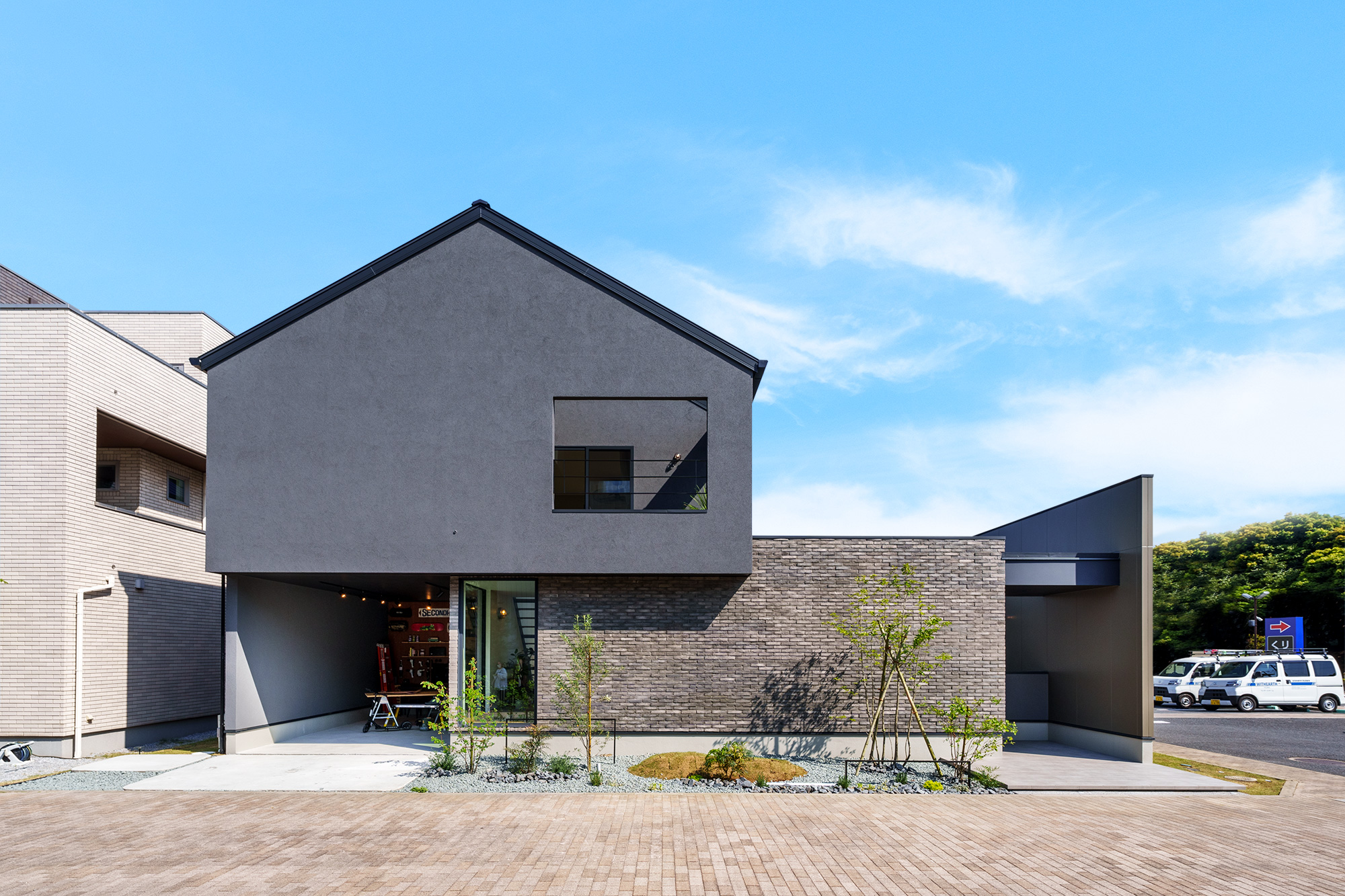
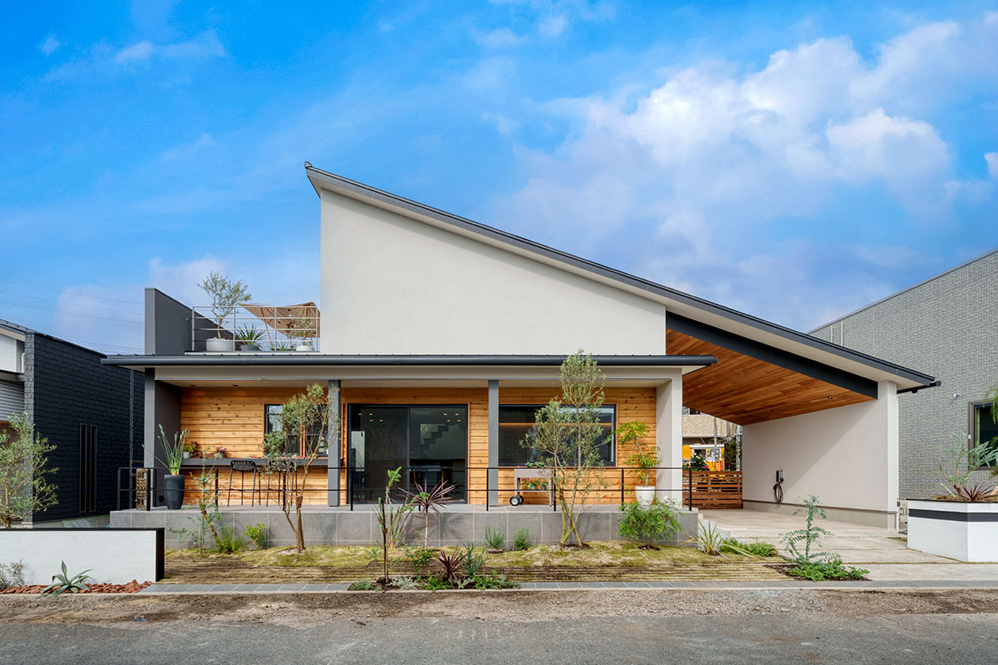
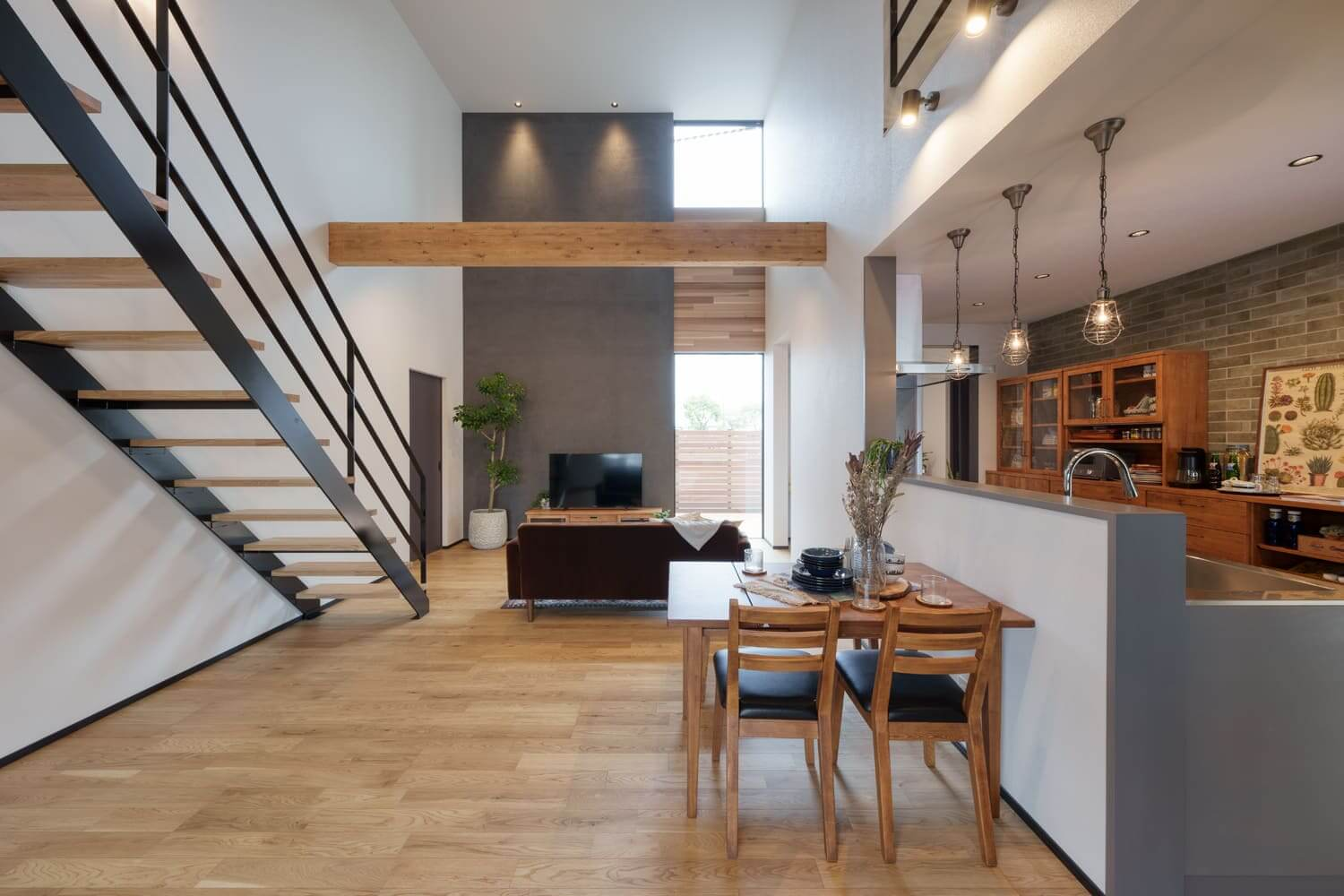
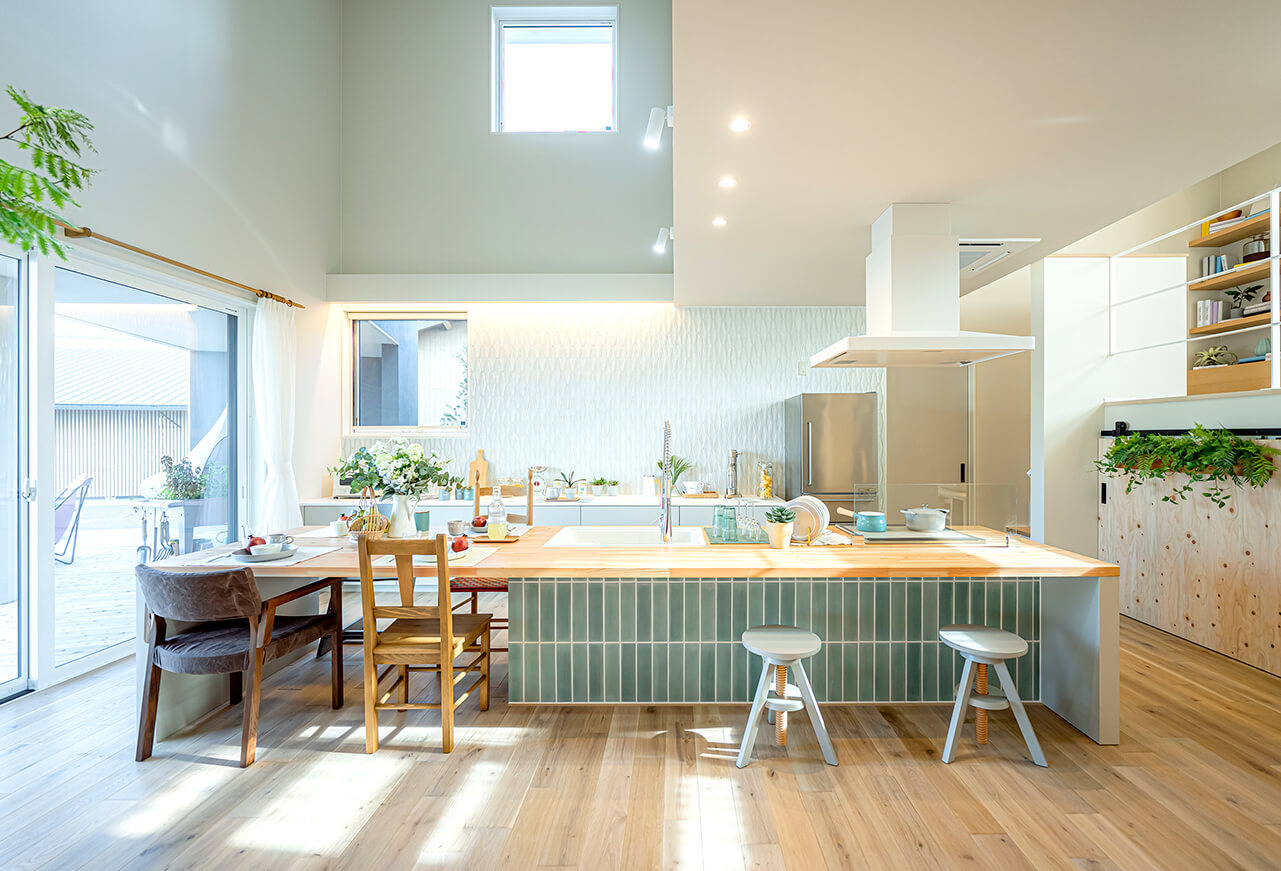
Architecture and interior designs. Final designs may differ.
The trust investment pays long-term returns
Building credibility in Japan's property market takes time. You need to demonstrate you'll honour agreements even when circumstances change.
We complete risk analysis before signing contracts, not after. If something unexpected happens during development, we solve the problem rather than cancel. This maintains relationships with construction partners, banks, and agencies across the region.
These relationships aren't just nice to have. They determine access to future opportunities, financing terms, and construction capacity. Destroying trust for a single failed deal costs you dozens of future projects.
This applies beyond Kumamoto. It's how Japanese property networks function nationwide. Chateau Life has operated for 20 years maintaining 96%+ occupancy rates because we prioritise long-term partnerships over short-term savings.
What this means for development partners
The Kumamoto opportunity is real. TSMC and Sony's expansion will reshape the region for the next decade. But capitalising on it requires local execution capability, not just capital.
MoreHarvest's Haramizu fund targets developer partners who understand this. We're focused on 12-18 month fix-and-flip projects leveraging our Kumamoto relationships and Chateau Life's operational track record.
We handle local construction partnerships, design execution, and market positioning. Partners provide capital and patience while we prove the model through our first property disposals in 2026.
Foreign investors are still buying Kumamoto land. But the construction companies now ask harder questions about execution plans, local partnerships, and commitment to completion. The easy money phase is over.
The developers who succeed will be those who invested in relationships before they needed them.