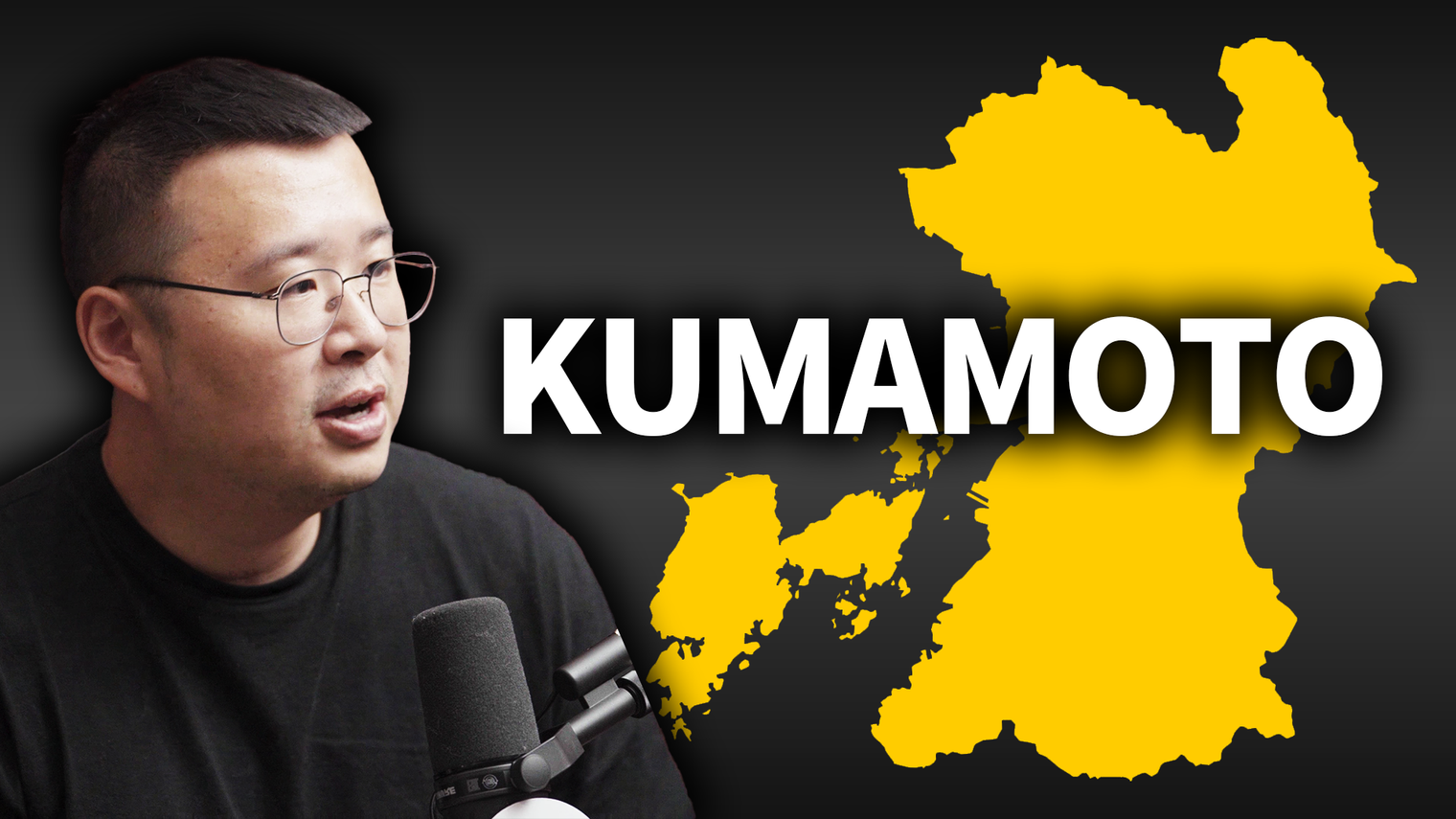
From Rice Fields to Chip Factories: TSMC's Kumamoto Transformation
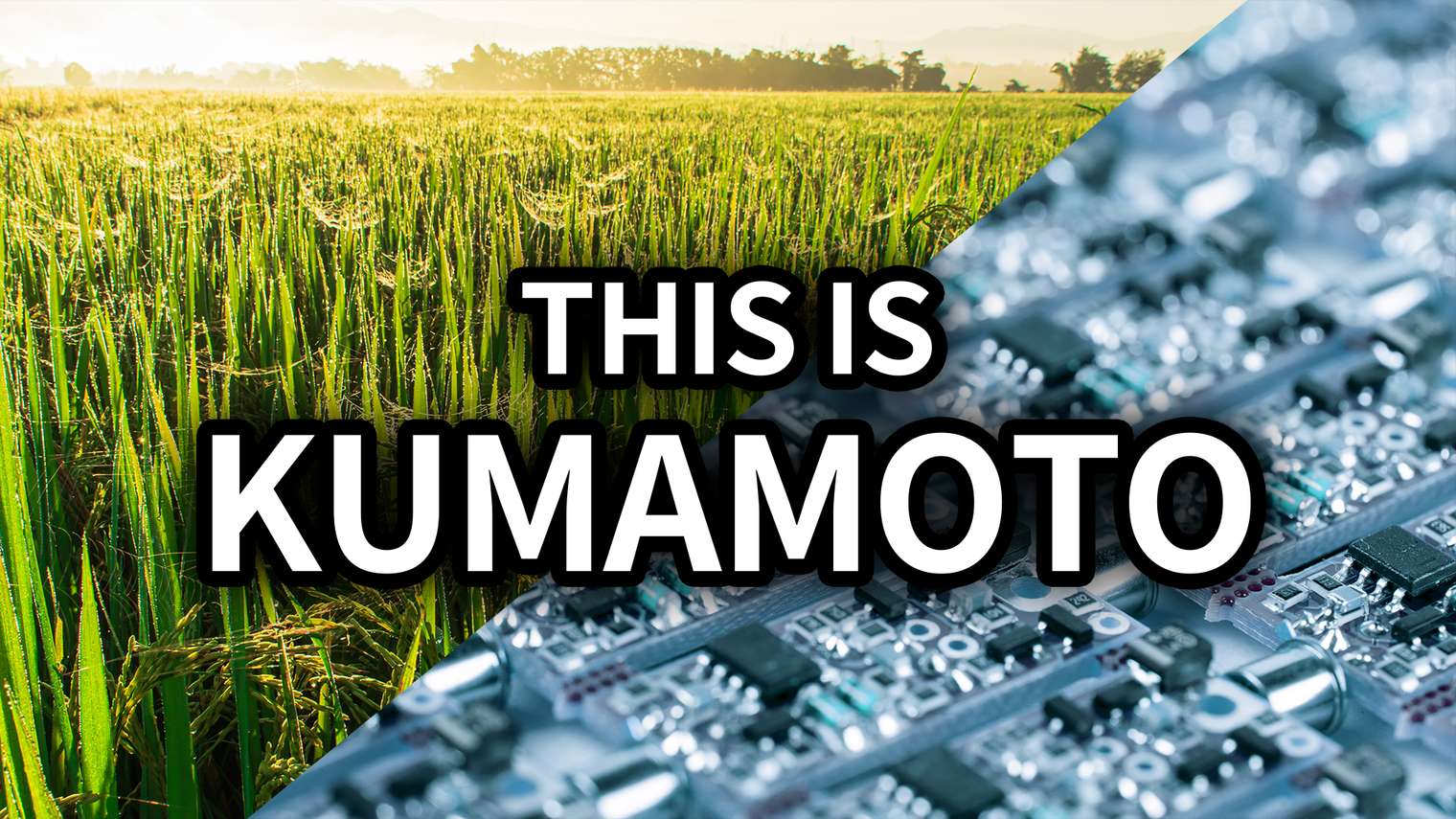
Stand at the perimeter of the JASM factory in Kikuyo and look in one direction: you're looking at one of the most advanced semiconductor plants in the world, manufacturing chips that end up in devices across every continent. Turn around, and you see rice fields and cabbages.
That contrast tells you everything about where Kumamoto is right now. Not a city that has arrived, but one that is in the process of becoming something fundamentally different from what it was five years ago.
What TSMC actually brought to Kumamoto
When TSMC announced its first Japanese factory in 2021, the immediate story was about one plant. The real story is what followed it.
Since that announcement, 71 companies have committed to expanding into Kumamoto. The Kyushu Financial Group projects that number will exceed 130 by the time TSMC's second Kumamoto factory is completed, currently expected by the end of 2027. These aren't satellite offices. They're suppliers, logistics providers, component manufacturers, and technology companies building permanent operations around the semiconductor supply chain.
This distinction matters for anyone thinking about property. A single factory generates concentrated, short-term demand. An ecosystem of 130+ companies generates layered, sustained demand; for offices, housing, retail, and infrastructure, across an extended timeframe.
Kumamoto's semiconductor roots run deeper than most people realise. The region has supported a manufacturing base since the 1970s and 1980s. TSMC isn't building in a vacuum. It's adding world-class process knowledge and supply chain depth to a foundation that already understands advanced manufacturing.
Where the growth is landing and where it isn't
Not all of Kumamoto is moving in the same direction. Between 2024 and 2025, Kikuyo and Ozu recorded property price growth of 34% and 32% respectively. In other parts of Kumamoto during the same period, prices fell by 5%.
The difference is proximity and connectivity to the JASM site. The areas gaining the most are those directly in the path of infrastructure investment and worker relocation. The areas falling back are those without that exposure.
This is the critical discipline for anyone looking at TSMC Kumamoto property: the city name alone isn't the investment thesis. The specific location within Kumamoto determines whether you're in the growth corridor or outside it.
The three areas with the clearest case are Kikuyo, Ozu, and Koshi City. Kikuyo sits adjacent to the JASM factories and is receiving a new railway station as part of broader infrastructure upgrades. Ozu is where the Kumamoto airport is located, with new road access connecting it to Higashi-Ozu station currently under construction. Koshi City sits slightly further from the semiconductor cluster but offers more established residential amenities; schools, restaurants, shops, making it better suited for families relocating long-term.
Together, these three areas form what's become known as Kumamoto's silicon triangle.
Why 2025 looked slow and why that's changing
Occupancy rates near the JASM factories are currently around 70%, lower than you'd expect given the scale of announcements. Two factors explain it.
First, TSMC's second factory is running slightly behind its original schedule. A significant portion of the expected workforce hasn't relocated yet because they're waiting for the facility to be operational. The demand is real, but it's arriving on a timeline that's shifted by roughly 12 to 18 months from early projections.
Second, uncertainty around US-Japan trade policy created a holding pattern for businesses throughout 2025. With those negotiations now settled, companies that had paused expansion plans are resuming them. The trajectory hasn't changed, the timing has.
What kind of housing is actually in demand
The picture on the ground is more specific than "residential property is performing well."
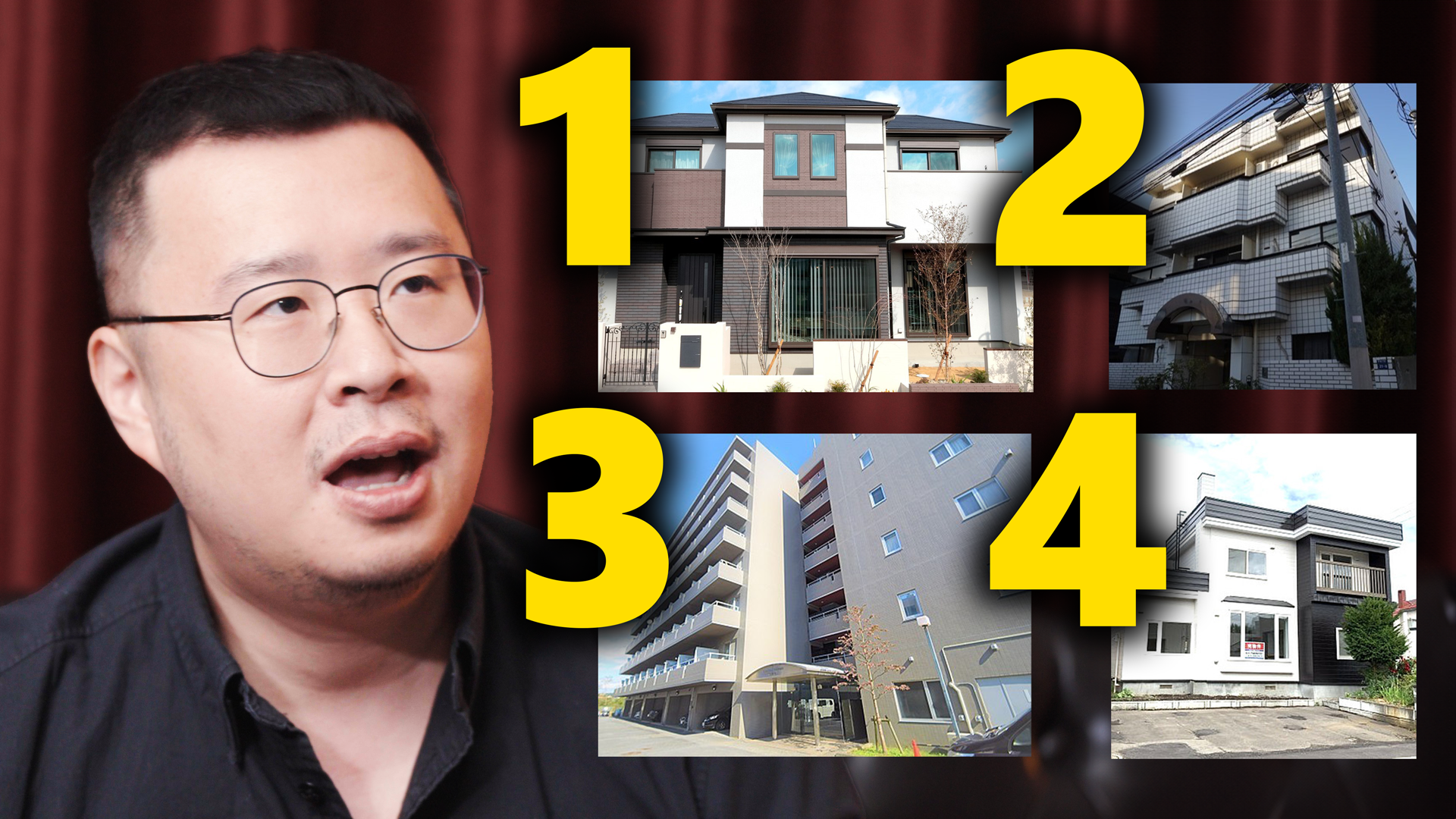
The most in-demand units near the factories are single-build houses: four private rooms built around a shared common area, fully furnished and move-in ready. The demand is coming from companies, not individual tenants. Businesses expanding into Kumamoto need housing for teams of engineers and technical staff arriving for periods ranging from weeks to several months.
Business hotels are expensive for this use case and their rates fluctuate seasonally. Single studio apartments at scale are impractical for a company managing 20 relocating employees. A four-room shared house solves both problems, cost-effective for the employer, flexible for the occupant, and functioning as practical corporate housing without formal structure.
This is local intelligence. It's not a pattern you'd pick up from headline property data.
The principle underneath the pattern
The TSMC Kumamoto story isn't about rising property prices. It's about structural economic change arriving in a specific geography, at a specific pace, in a specific sequence. The semiconductor ecosystem being built here will take years to complete, which means the window for positioning ahead of full occupancy is still open, but it's narrowing.
The investors who benefit most will be those who understand which three postcodes the demand is heading to, and what form that demand takes when it actually arrives.